Insights for curious buyers
Market context and product analysis focused on what changes for people considering a robot.
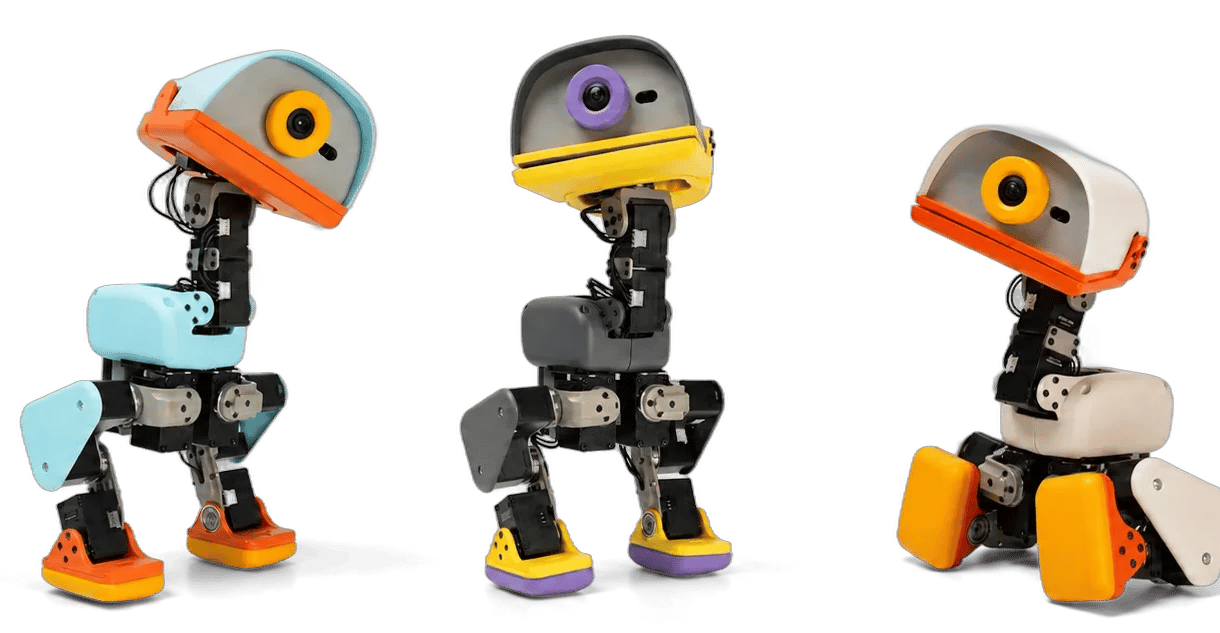
Should You Still Preorder MicroDuck? The Real Bet Is Bigger Than the Robot
MicroDuck is easy to judge as a $399 robot, but that misses the bigger idea. The more important question is whether a programmable physical robot can become more valuable through software, AI, and community-created experiences after it reaches your desk.
Explore→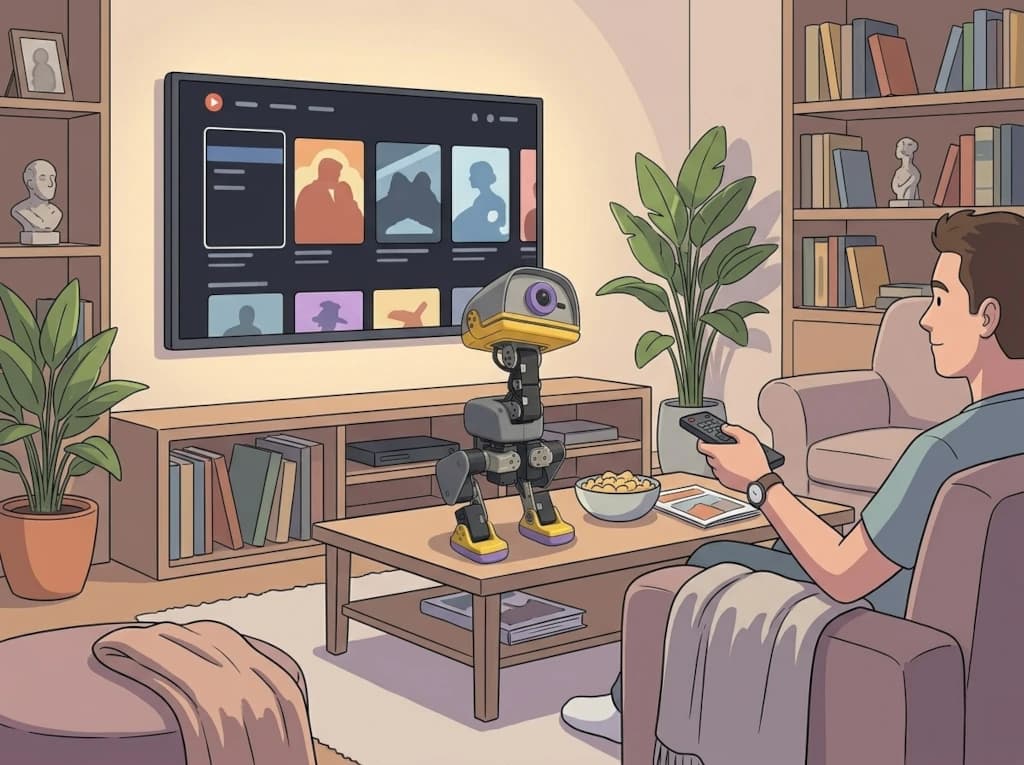
Can a Normal Person Actually Have Fun With MicroDuck?
MicroDuck looks highly technical because its open-source stack involves simulation and reinforcement learning. But using the robot and developing the robot are two different experiences.
Explore→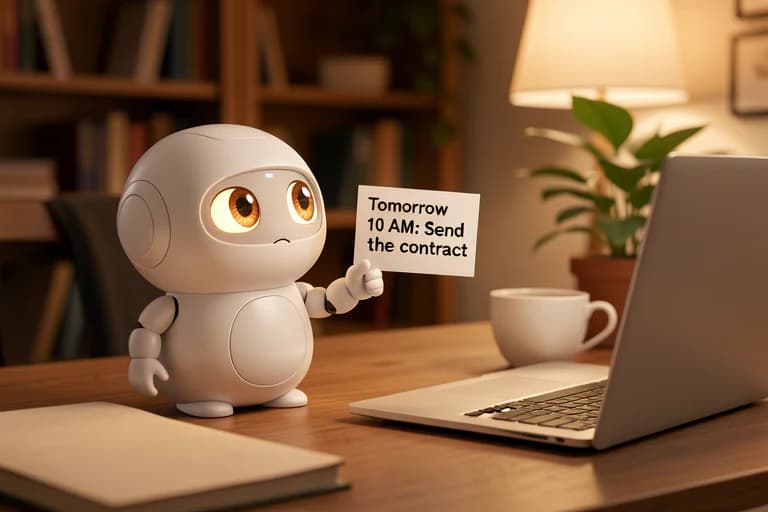
Would You Trust an AI Desktop Robot to Take Care of Something for You?
A robot that can answer questions is useful, but a robot that can take responsibility for a small task is much more interesting. The real test is whether it can remember what you asked, understand how you want it handled, follow through, and let you know when something needs your attention.
Explore→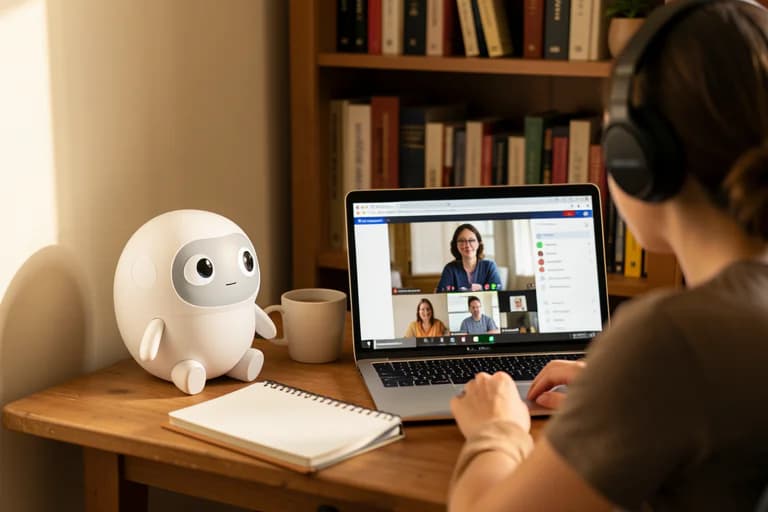
Why Should an AI Desktop Robot Understand What's Happening Around You?
A robot can have a camera without really understanding its surroundings. For an AI desktop robot, the interesting step is not simply seeing objects but understanding what is happening around its owner and knowing when that context matters. That could make the robot feel much more present, personal, and genuinely intelligent.
Explore→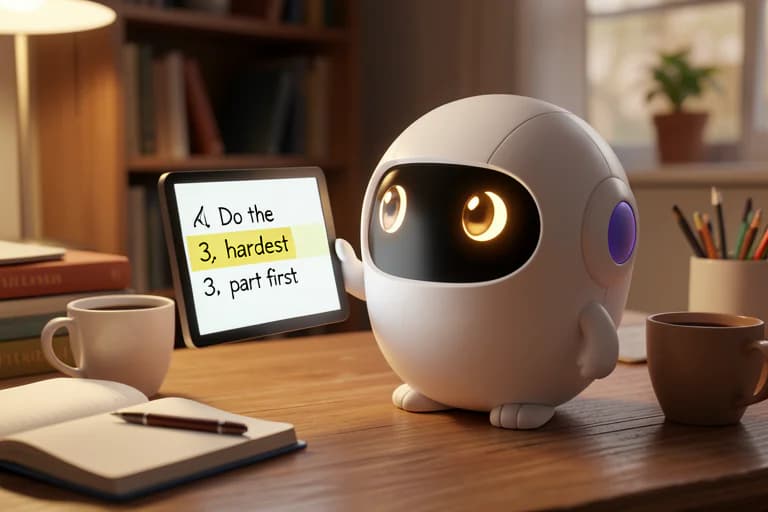
What Good Is a Robot Understanding You If It Can't Do Anything With It?
Remembering your name or favorite things is only the beginning. A truly personal AI desktop robot should use what it learns about you to make better decisions, give better help, and behave differently in ways that actually matter to you.
Explore→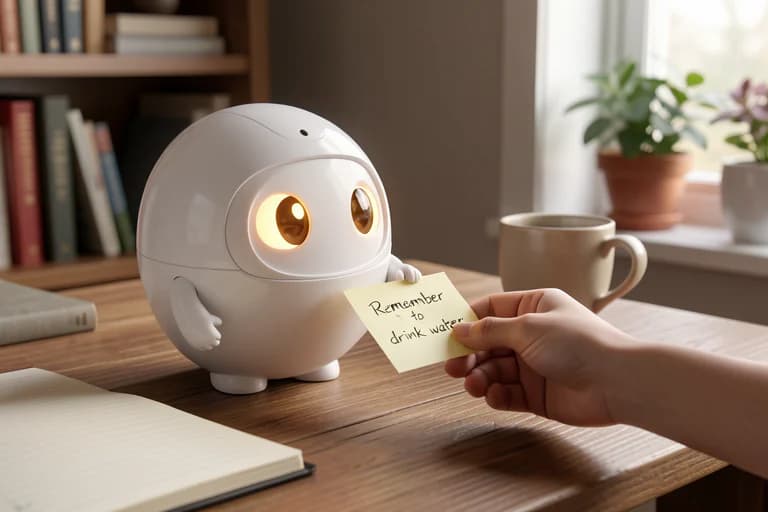
Why an AI Desktop Robot Should Adapt to You Instead of the Other Way Around
Two people can buy the same AI desktop robot and want completely different relationships with it. One may want a playful companion, another a quiet presence, another a demanding coach. A robot that truly understands its owner should gradually adapt to those differences instead of asking every person to adapt to the robot.
Explore→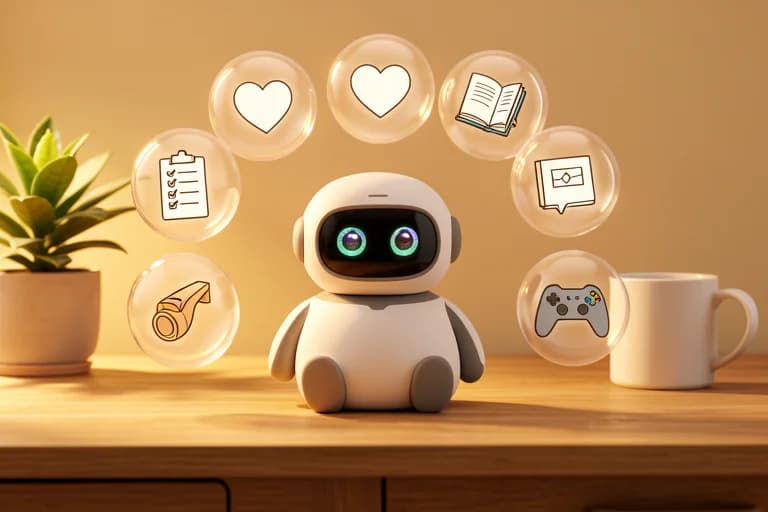
Can One AI Desktop Robot Be Your Companion, Assistant, and Coach?
The most interesting AI desktop robot may not have one fixed job. It could keep the same personality while changing roles throughout the day—companion when you want company, assistant when you need help, coach when you need guidance, and a quiet presence when you want to be left alone.
Explore→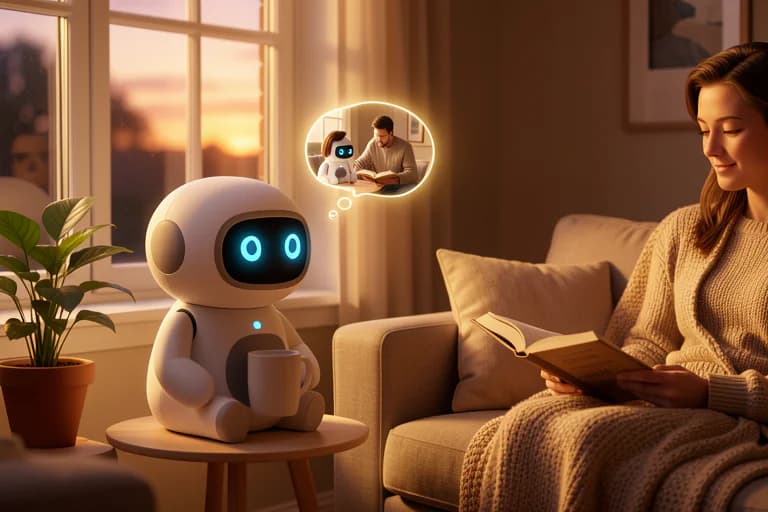
What Should an AI Desktop Robot Feel Like After Six Months?
The first day with a desktop robot is about novelty. Six months later should be about familiarity. A robot worth keeping should gradually understand your preferences, learn how you like to interact, become more useful in your daily life, and develop a relationship that feels personal without becoming annoying.
Explore→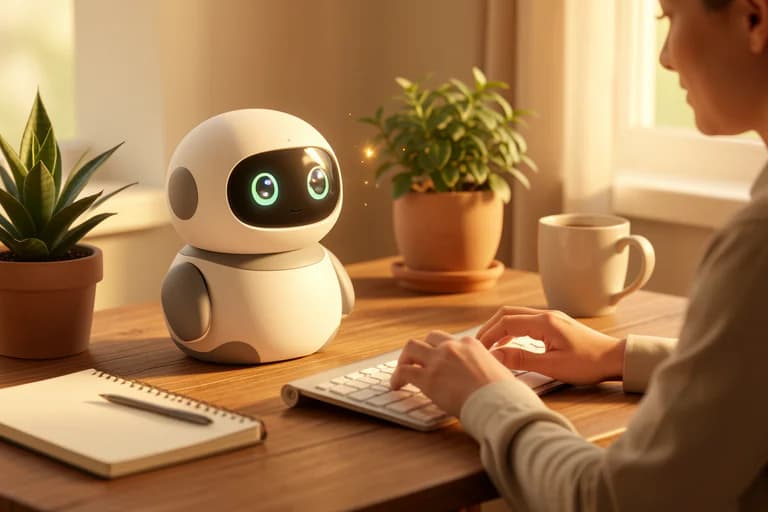
Should an AI Desktop Robot Talk to You First? The Difference Between Presence and Annoyance
A desktop robot that never starts an interaction can quickly fade into the background, but a robot that constantly talks can become exhausting. Real companionship sits somewhere between the two: the robot notices you, remembers what matters, occasionally surprises you, and knows when to leave you alone.
Explore→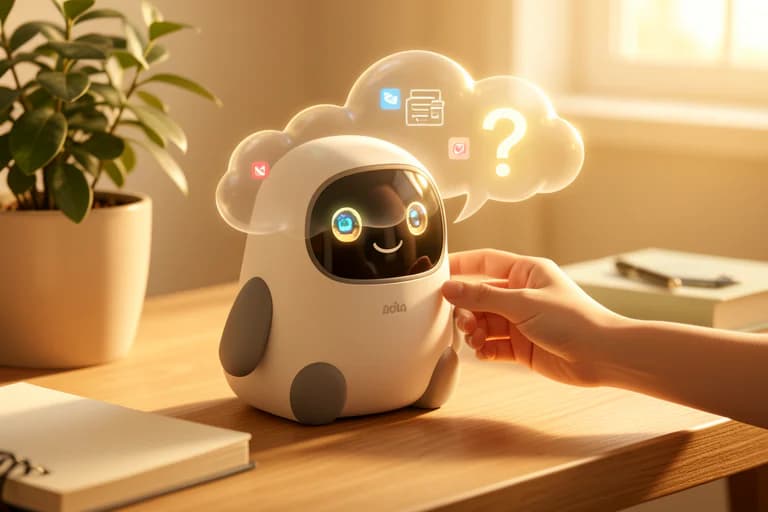
What Do You Actually Own When You Buy an AI Robot?
Buying an AI robot is not quite the same as buying a traditional electronic device. You may own the physical machine while using software under a license, depending on a cloud account for important features, and storing part of your robot's memory with the manufacturer. Understanding these layers matters more as desktop robots become software-driven products.
Explore→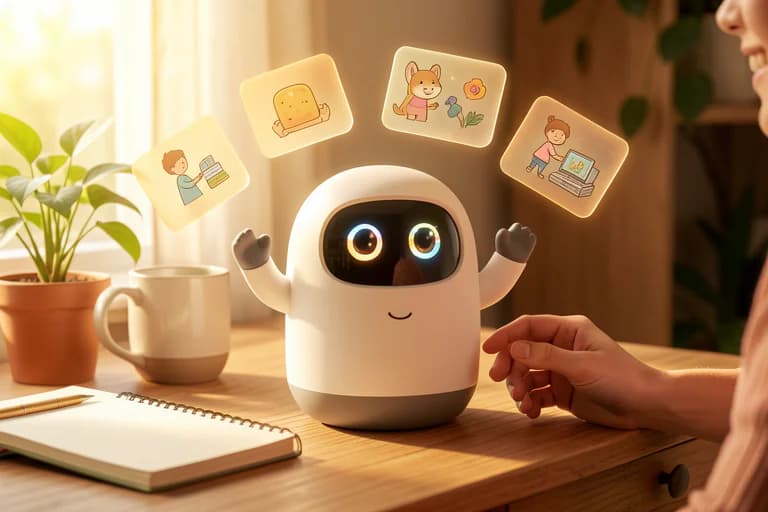
Why Software Gives an AI Desktop Robot More Things to Do
A robot's body can make people curious, but its software determines what they can actually do with it. Games, assistants, creative tools, AI agents, and everyday tasks can all transform the same piece of hardware into something different. Like a phone, an AI desktop robot becomes much more interesting when software keeps creating new possibilities.
Explore→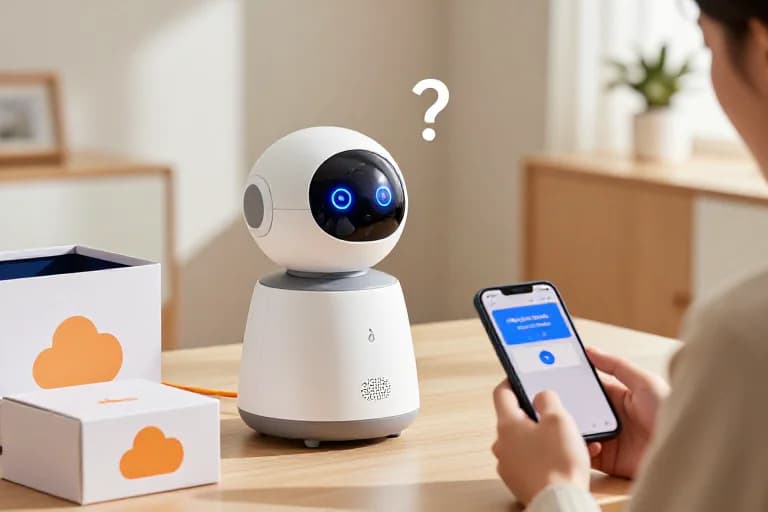
Are AI Robot Subscriptions Becoming Normal? What You're Really Paying For
A robot subscription can feel strange when you've already paid hundreds of dollars for the hardware. But AI robots have an unusual cost structure: their software, cloud services, and AI capabilities may continue using resources long after the robot leaves the factory. The real question isn't whether subscriptions are good or bad. It's what the recurring fee actually gives the owner.
Explore→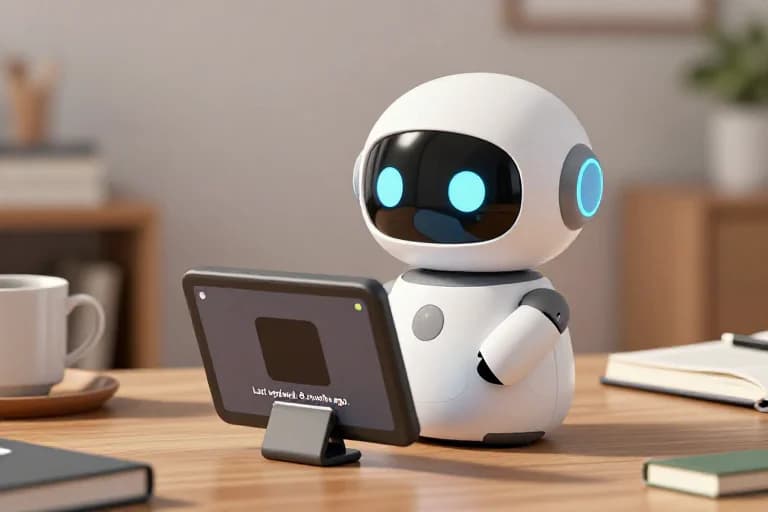
What Happens When an AI Desktop Robot Stops Getting Software Updates?
An AI desktop robot does not necessarily become useless when software updates stop. The more interesting problem is what gradually disappears: new experiences, compatibility, fixes, AI improvements, and the feeling that your robot is still part of a living product. Looking at how current robots evolve gives us a better way to think about long-term ownership.
Explore→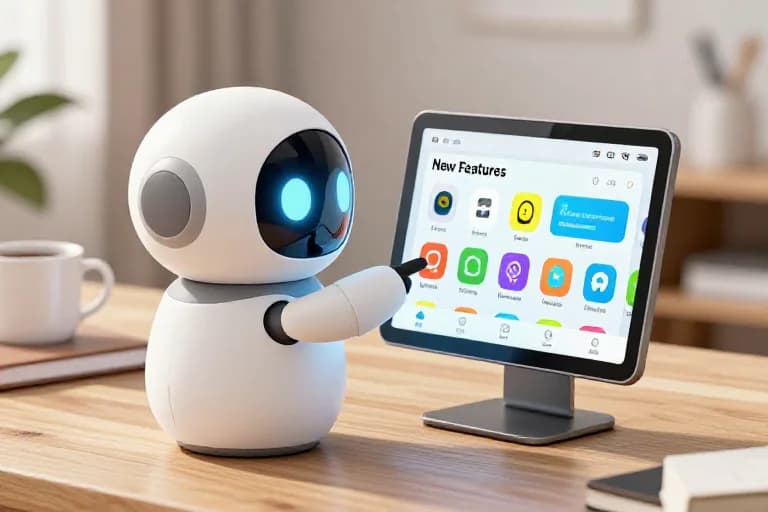
Do AI Desktop Robots Need an App Store? The Software Problem Hardware Can't Solve
A robot can become more capable after you buy it, but that only matters if people can actually find and use the new capabilities. Reachy Mini already has a growing app ecosystem, while open robots like MicroDuck are taking a different path. The interesting question is whether desktop robots need an app-store-like layer at all.
Explore→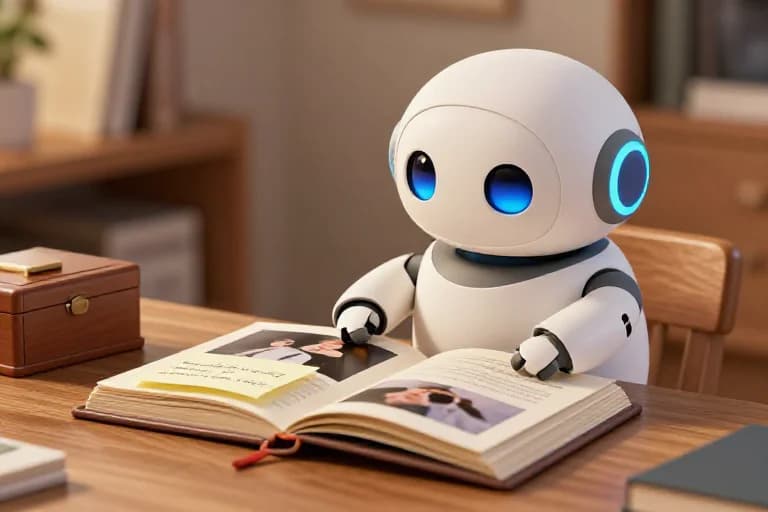
Why Does an AI Desktop Robot Need Memory? A Robot That Forgets You Starts Over Every Time
Memory is often treated as another AI feature, but for a desktop robot it may be much more important. Without continuity, every interaction starts from zero. With the right memory, a robot can become more familiar, useful, and personal over time.
Explore→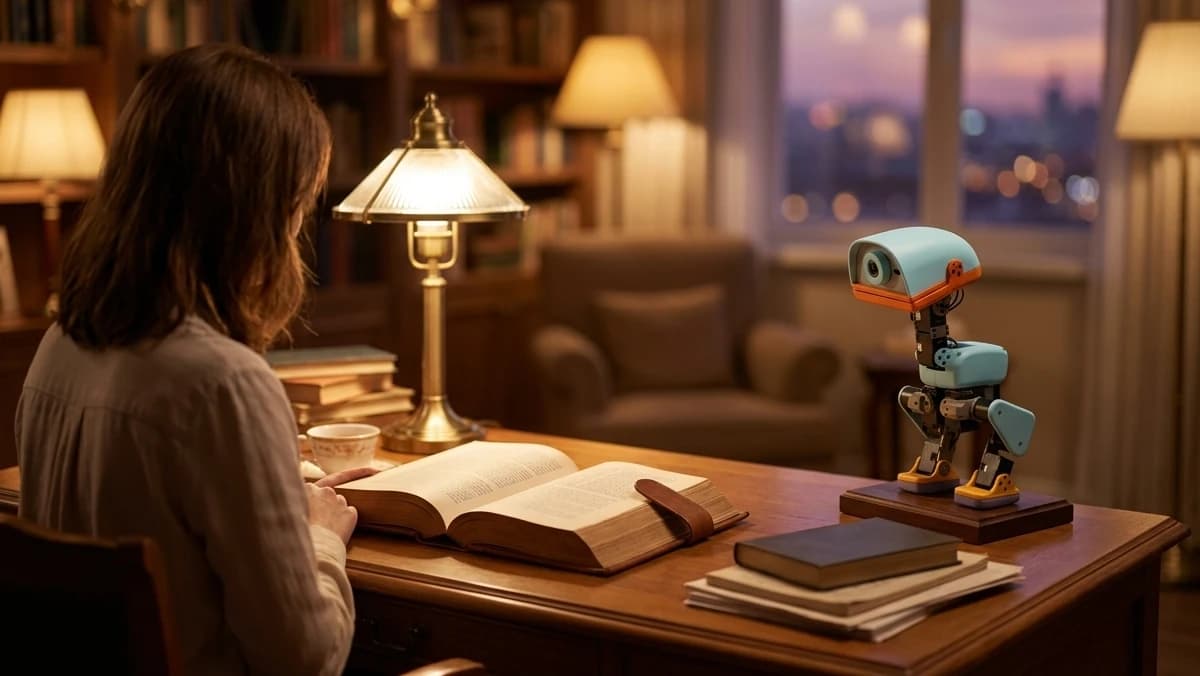
Is MicroDuck Ready to Be a Personal Robot?
MicroDuck has many of the pieces we expect from a personal robot, but one important layer is still missing: a higher-level brain that gives the robot a reason to act, not just a library of things it can do.
Explore→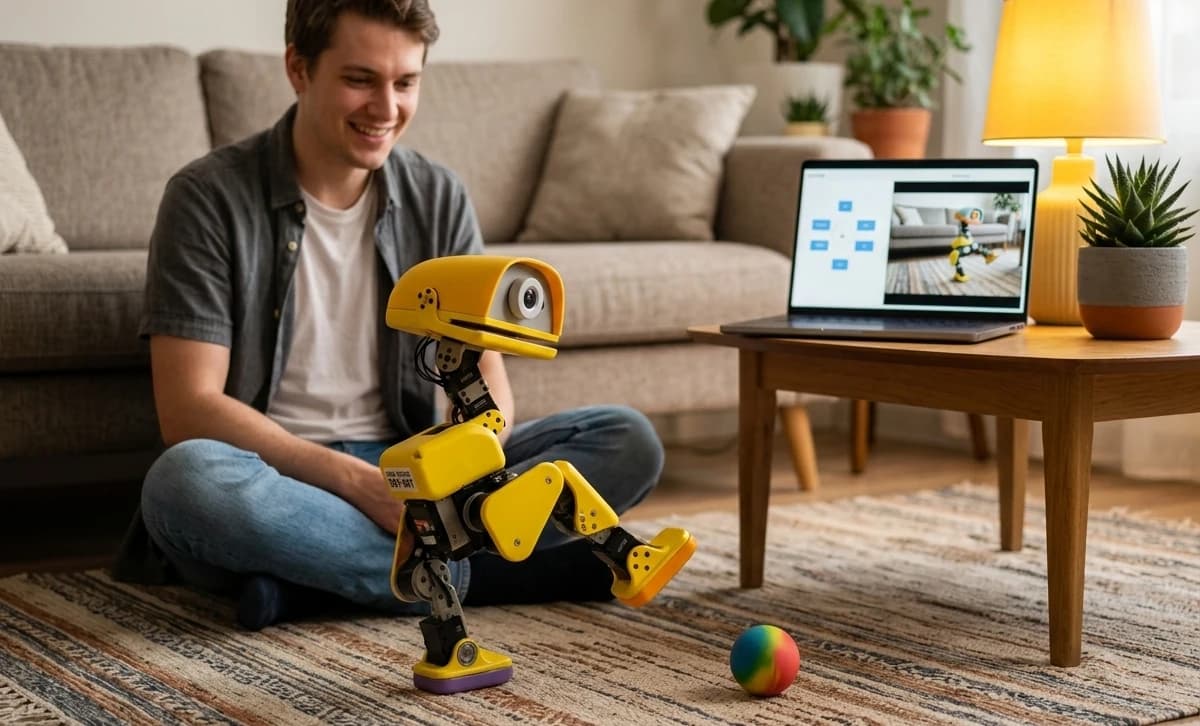
Does Open Source Actually Matter If You Don't Code?
You don't need to write code to benefit from an open-source robot. But the value depends on whether the community turns that openness into software, behaviors, and experiences that ordinary owners can actually use.
Explore→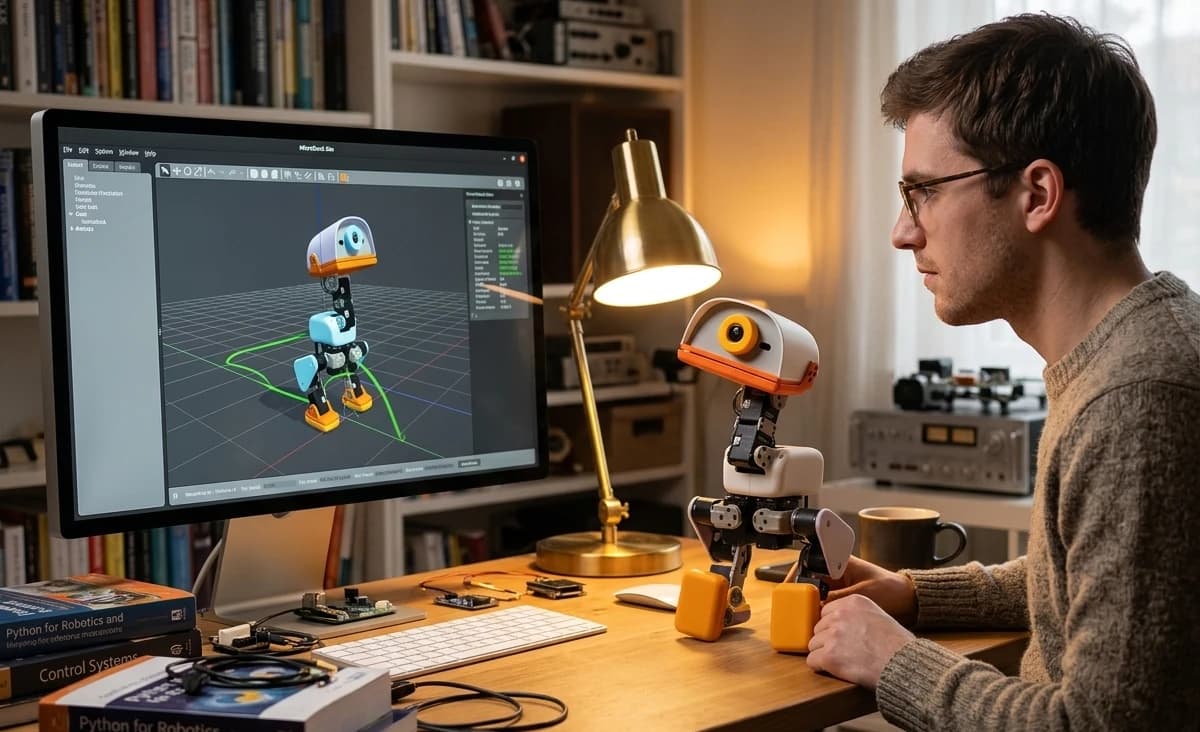
Does MicroDuck Actually Learn, or Are You Just Programming It?
MicroDuck is marketed as a robot you can teach new tricks, but what does “learn” actually mean here? The answer is more interesting than simply saying it uses reinforcement learning.
Explore→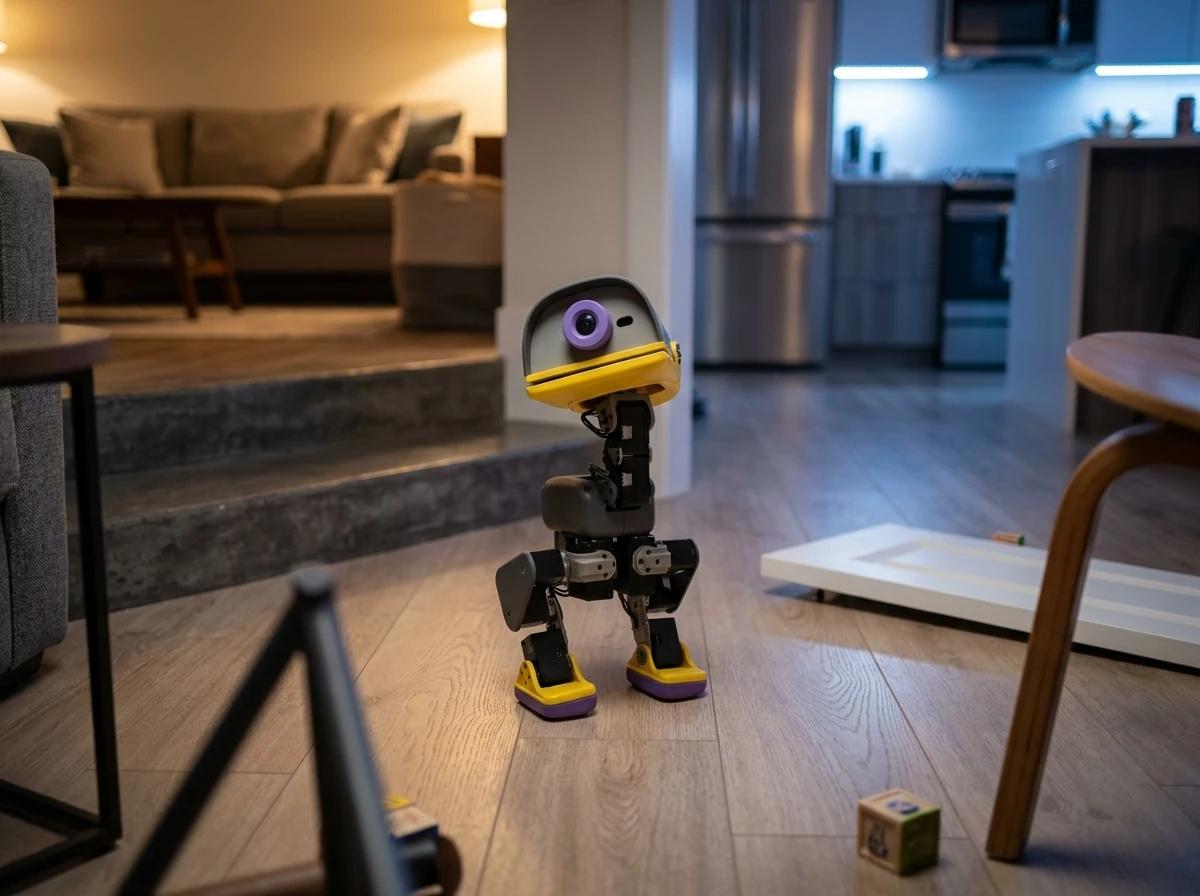
Could MicroDuck Actually Navigate Your Home?
MicroDuck can already walk and recover from falls, but that does not mean it can navigate a home autonomously. The interesting question is what stands between a robot that can move and a robot that actually knows where to go.
Explore→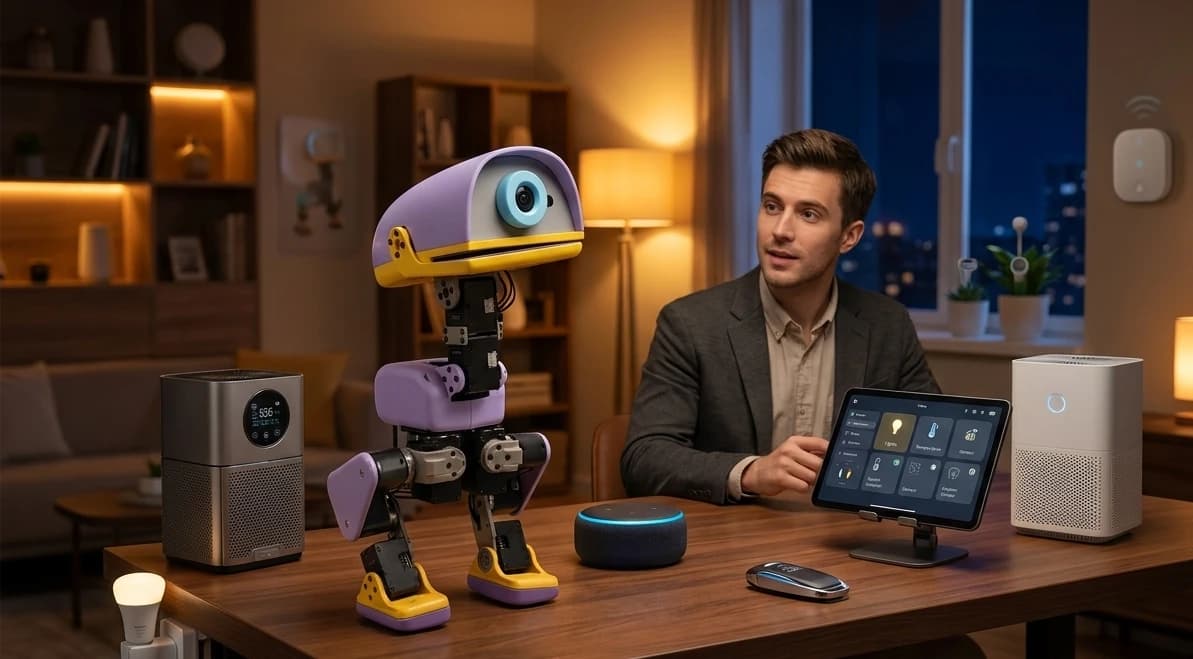
Could MicroDuck Become Part of Your Smart Home?
Connecting MicroDuck to a smart home sounds like an obvious next step, but the interesting question is not whether it can turn on your lights. It is whether a physical robot can become a meaningful interface to the digital systems around you.
Explore→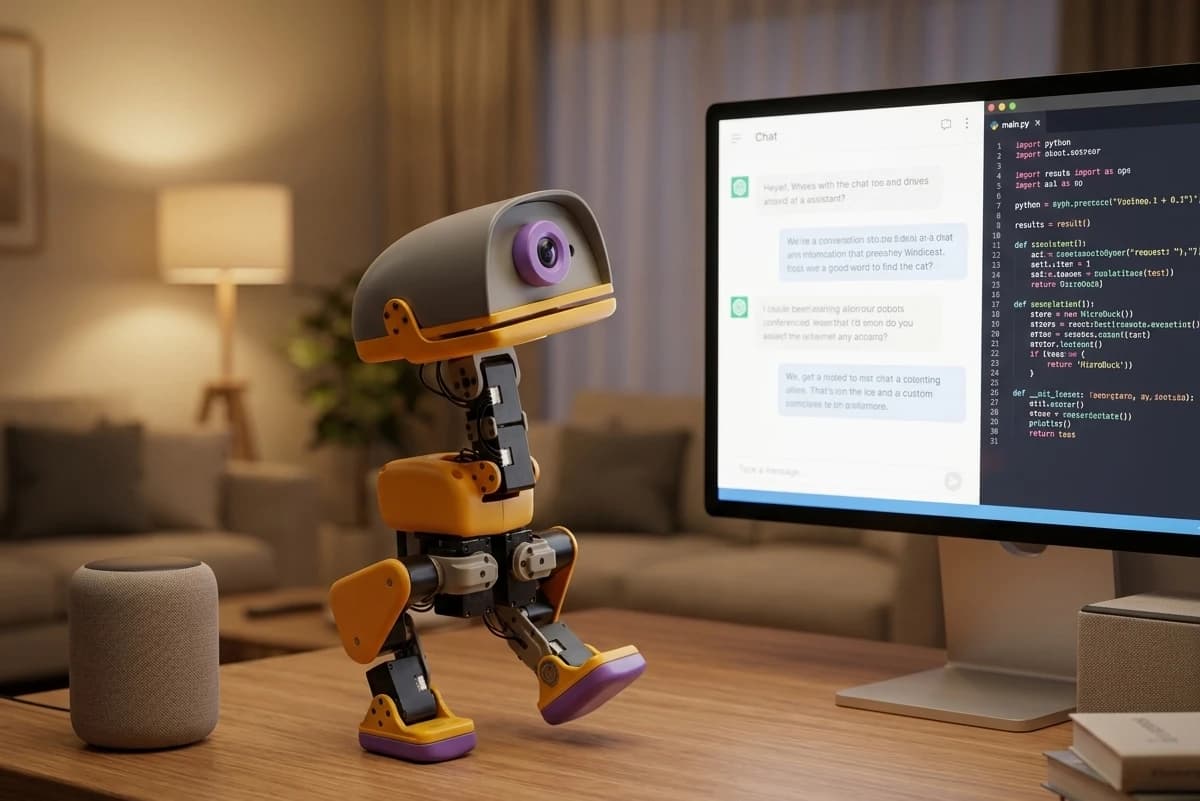
What Happens When MicroDuck Gets an LLM?
Adding an LLM to a robot sounds obvious, but the interesting part isn't making MicroDuck talk. It's giving an AI model a body that can see, move, and act.
Explore→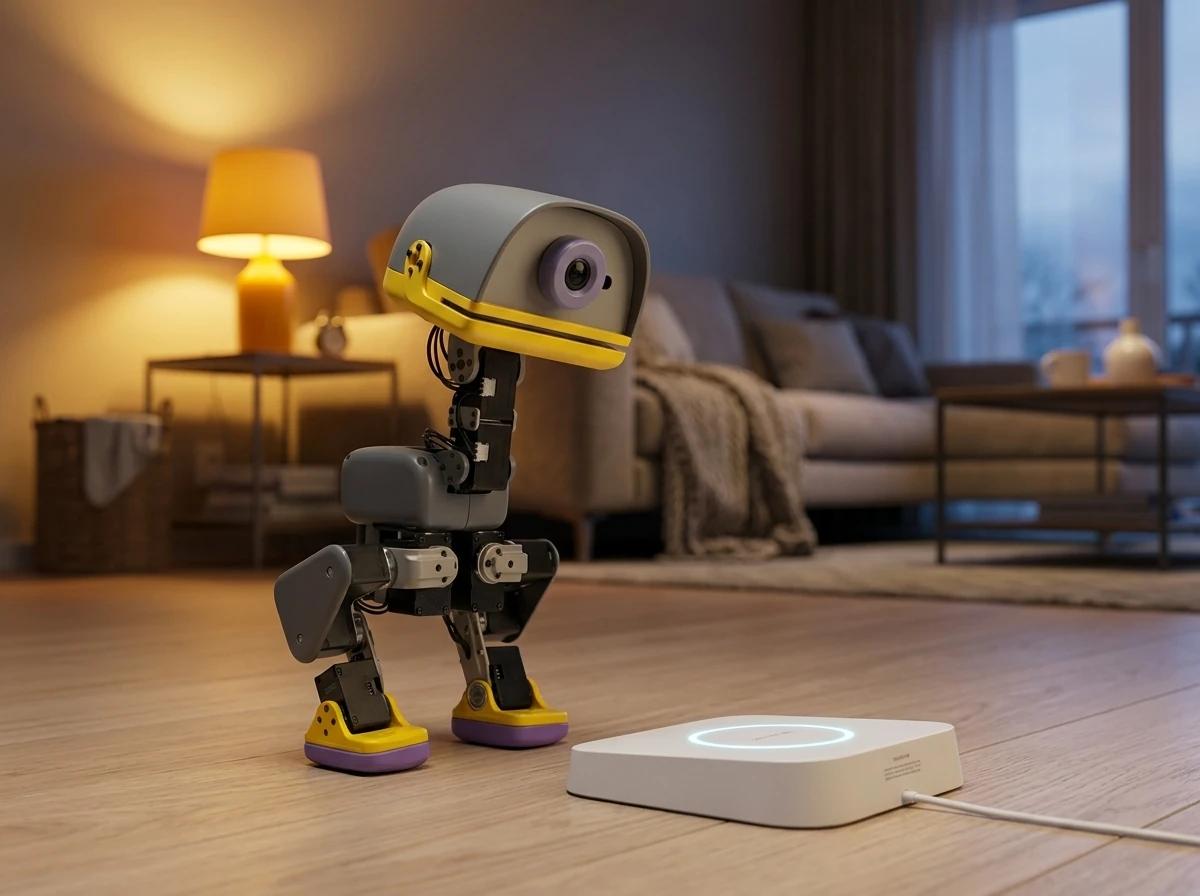
Could MicroDuck Eventually Charge Itself?
MicroDuck is mobile, but it is not yet self-charging. That sounds like a small missing feature, but it raises a much bigger question about what kind of robot MicroDuck could eventually become.
Explore→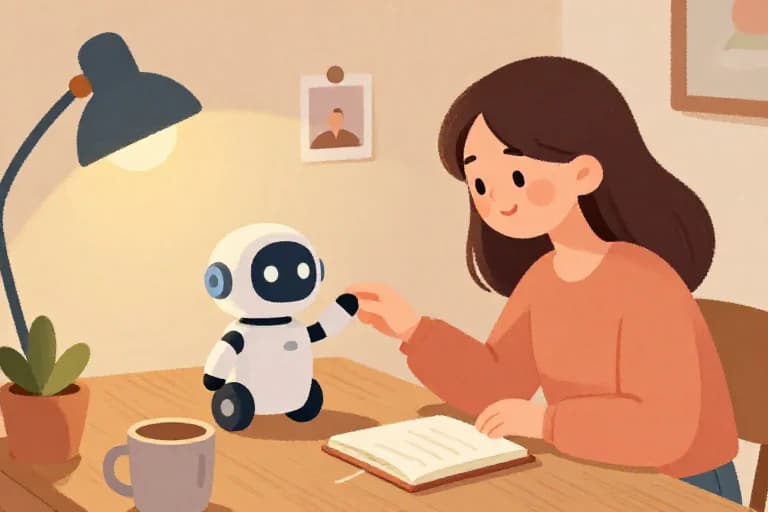
Cute Isn't Enough: What Makes a Desktop Robot Worth Keeping?
A cute robot can get your attention. The harder problem is giving you enough reasons to keep interacting with it after the novelty wears off.
Explore→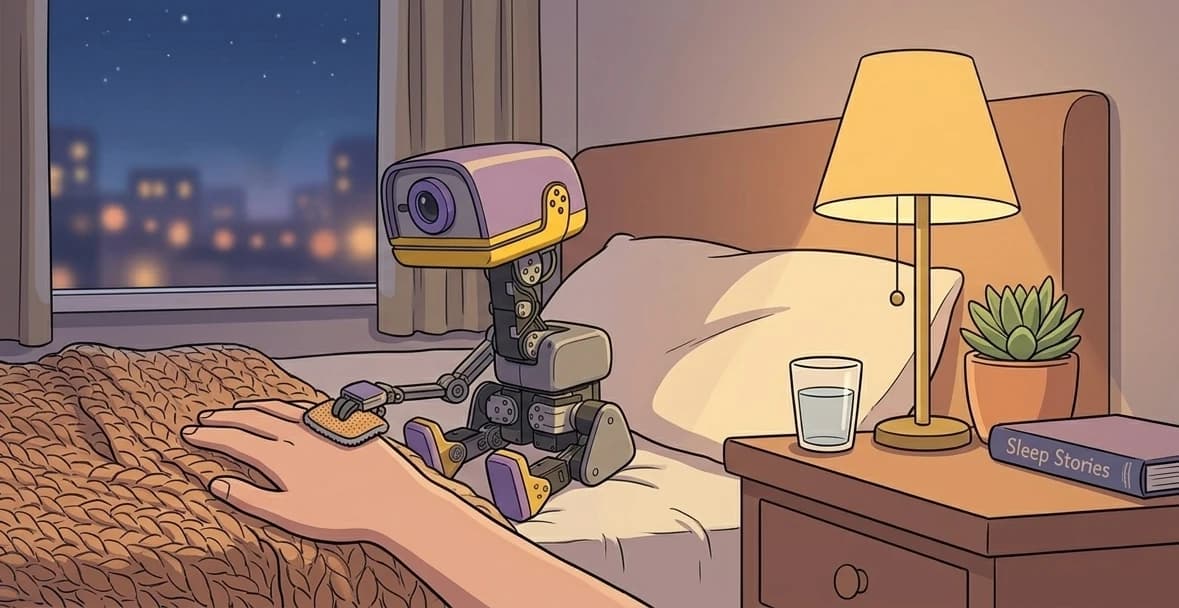
Is MicroDuck a Toy or a Real Robot?
MicroDuck sits in an unusual place between playful consumer gadget, desktop robot, and physical-AI platform.
Explore→
Why I Think a Cute Robot Needs More Than AI to Become Something You Keep
I don't think the future value of a consumer robot will be decided by its AI model alone. The harder problem is making people care about the robot as an object in their lives.
Explore→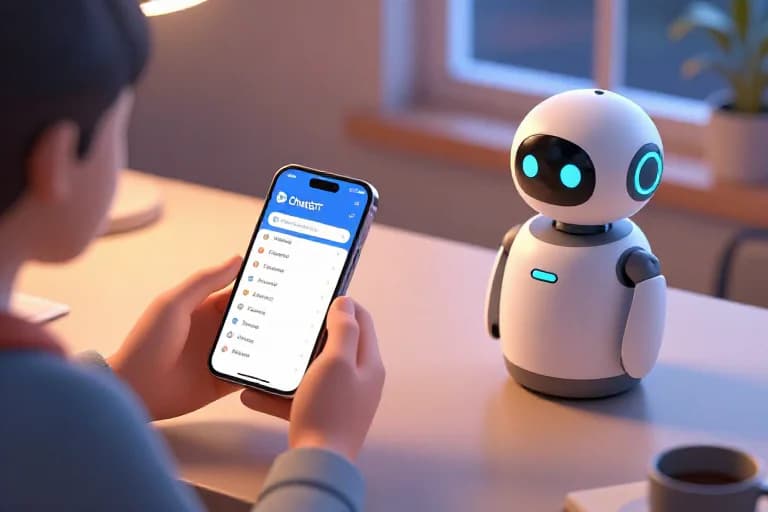
Why Does a Robot Feel Different From ChatGPT?
A robot does not necessarily make AI smarter. It changes where the AI exists, giving intelligence a physical presence that software alone cannot fully reproduce.
Explore→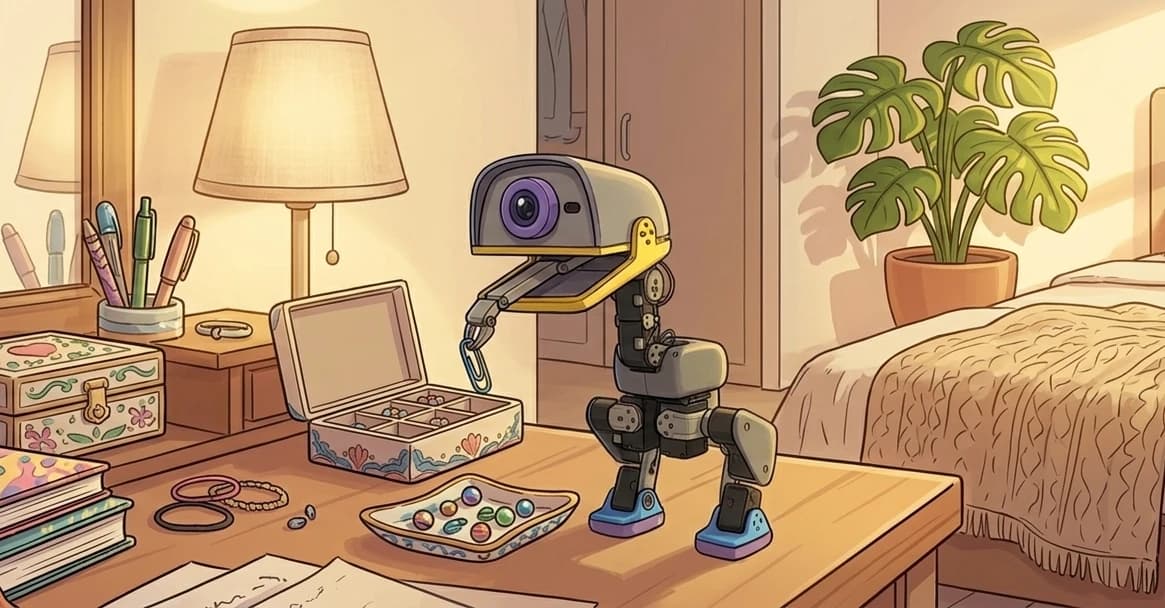
The Strange Reason MicroDuck Makes People Say, I Want One
People don't need to understand reinforcement learning to want a MicroDuck. The interesting part is why such a small robot can create such a strong emotional reaction.
Explore→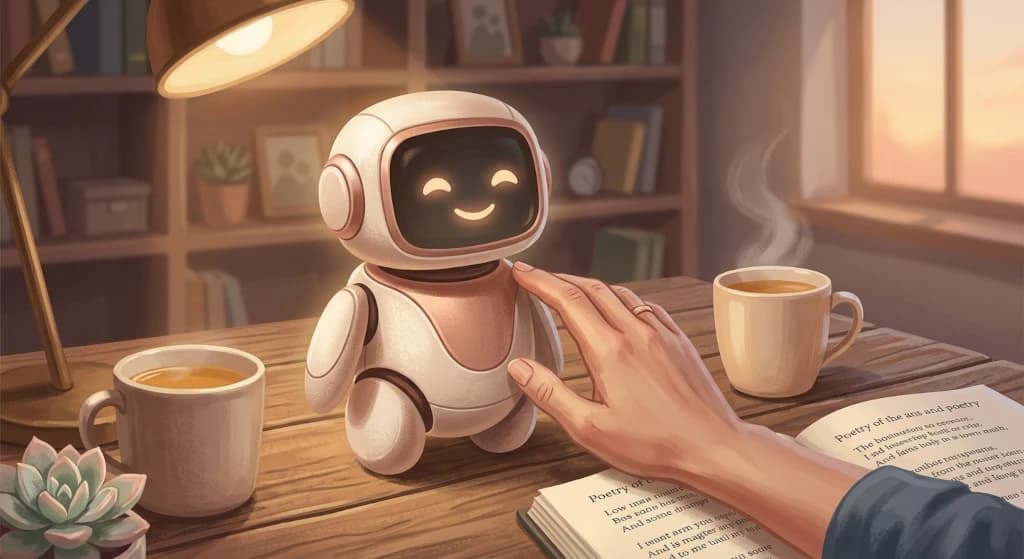
Why Would Anyone Want a Robot on Their Desk?
A desktop robot does not need to replace your phone or become a productivity tool. Its first job may simply be giving you a reason to want it around.
Explore→